Around the marina it might be called spring commissioning, but in your driveway it’s just “get
the Alumacraft boat ready for opening day.” Another season of angling and family boating is almost here. Before you back down the
launch ramp, it pays to follow a simple fishing boat checklist. Any issues you deal with now
won’t impact your coming season. Here are some key items to prepare your Alumacraft boat for spring.
Was It Winterized?
If your Alumacraft Aluminum
Boat and its outboard motor were properly winterized those systems should be good to go
for another season on the water. If the engine and boat were not winterized, you’ll need
to do a little extra work to be ready for Spring boating. Basic instructions for outboard
maintenance can be found in your engine owner’s manual.
- Change the engine oil and oil filter in a four-stroke outboard.
- Top off a two-stroke outboard oil reservoir and keep a spare bottle of oil on board.
- Change the fuel filters.
- Change the outboard gear lube.
- Remove the propeller and inspect the propshaft seal area (where the shaft enters the
gearcase) for fishing line and remove it using a small screwdriver or sharp pick. Line around
the shaft can eat through the propshaft seal and allow water to enter the gearcase, causing
expensive damage.
- Follow any other off-season service instructions in the engine owners manual, including
lubrication of moving parts and checking the fluid levels in the power trim pump.
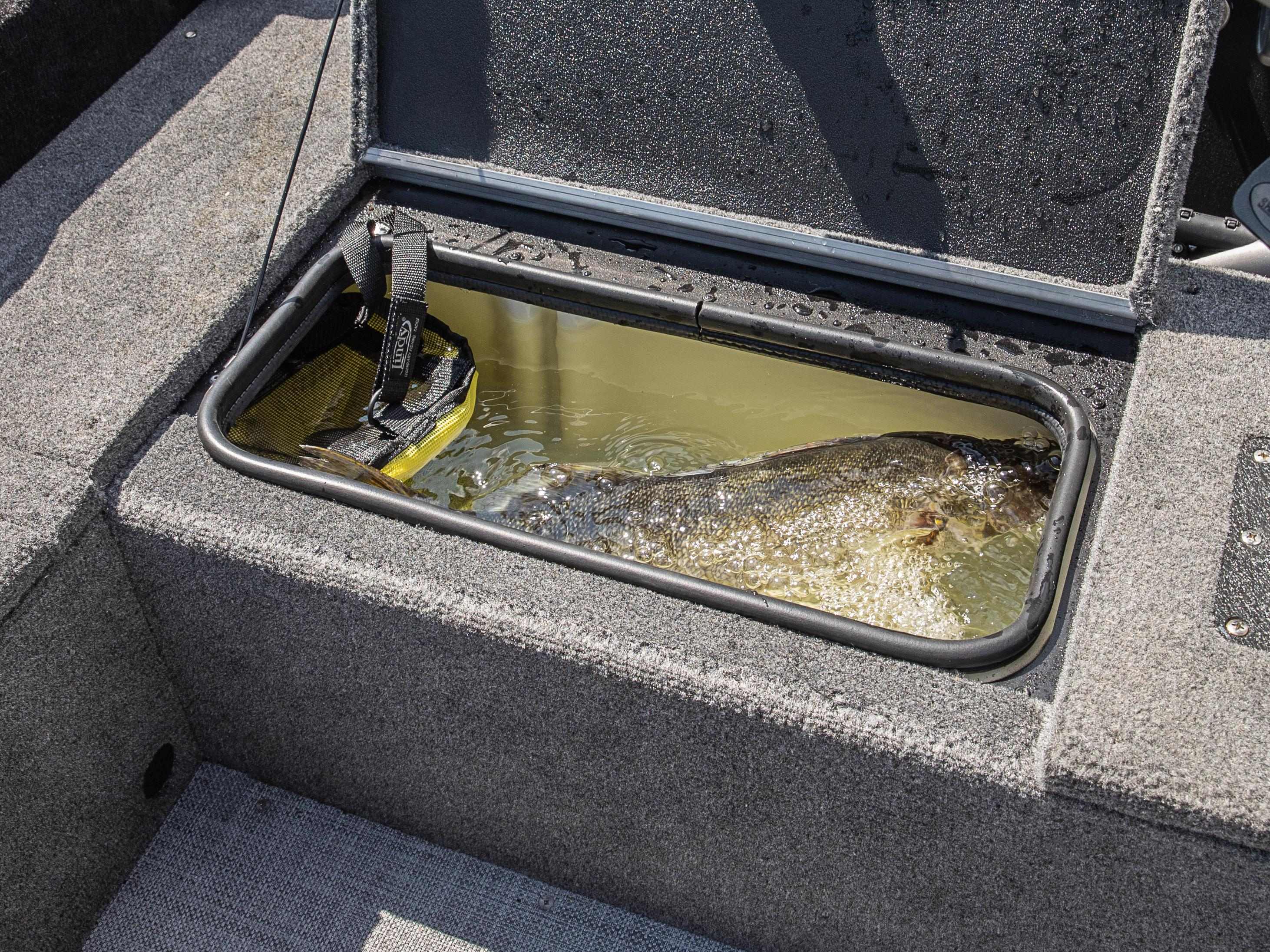
- Clean the livewells and baitwells. Cleaning the
livewell not only creates a healthy environment for fish, but it also helps to keep livewell
screens, pumps and lines clear of scale that can inhibit water flow and cause the system to
work inefficiently.
Fuel Issues
A boat with a built-in fuel tank should be stored with the tank filled with fresh
gasoline that has been treated with a fuel stabilizer product. If that’s what you did in
the fall you should be able to start the season with that treated fuel. If the fuel was not
stored properly consider pumping the old fuel out of the tank. Then start with fresh fuel,
avoiding fuel blended with ethanol if that’s possible. It’s good practice to add fuel stabilizer
to every tank of gas unless you know that fuel will be consumed in a few weeks.
Battery Basics
During the off-season it’s best to remove the batteries from the boat and store them connected
to a maintenance-type battery charger. If that was the case you can reinstall the batteries, but
first check the date of purchase on the top of the battery. A well-maintained marine cranking or
deep cycle battery has a typical life span of five years. If your batteries are more than a few
years old, have a marine or auto parts dealer give the battery a load test to gauge its
condition. If you question the condition or age of the battery, better to replace it now
than to have its life inconveniently end in the middle of the lake.
Gear Check
Confirm that all required safety gear and insurance and registration documents are
on board and you are ready to pass an inspection if you are hailed by the water police.
Replace those tools you borrowed from the boat last winter, and check storage compartments for
rain gear, sunscreen and other essentials.
Check Every System
Install the drain plug! This is a mistake most boat owners make only once.
With the aluminum boat on its trailer or secured at the dock, start the engine and let it fully
warm up. Make sure a good stream of water is flowing from the outboard pilot hole, an
indication the water pump is working.
Inspect the steering for smooth action and for any leaks in a hydraulic or power steering
system. Also check the control cables for smooth action and proper shifting – cables
sometimes need to be adjusted and lubricated.
Go around the boat and give every system and accessory a test. Check the lights and the
horn. Make sure the VHF radio and all navigation and fishing electronics are functioning
and have received recommended software updates.
No Pressure
It’s a common sight in the spring – a boat and trailer on the highway shoulder resting forlornly
on a flat tire. In all likelihood that flat was caused by low tire air pressure. Heat builds up
in a tire with low pressure and can cause the tire to delaminate and fail, which is more than
inconvenient; it can be a dangerous situation. Tires will naturally lose a pound or two of air
pressure each month, so it’s especially important to remember to air up the tires after the
trailer has been sitting unused over the winter. Inflate to the maximum rating on the tire or as
listed on the capacity sticker on the trailer, which may be 60 psi or more. Don’t forget to air
up the spare tire, too.
Now you’re ready to go boating! Load up the cooler, the bait and the rods and head for
the lake. And we’ll remind you one more time – don’t forget to install the drain plug!